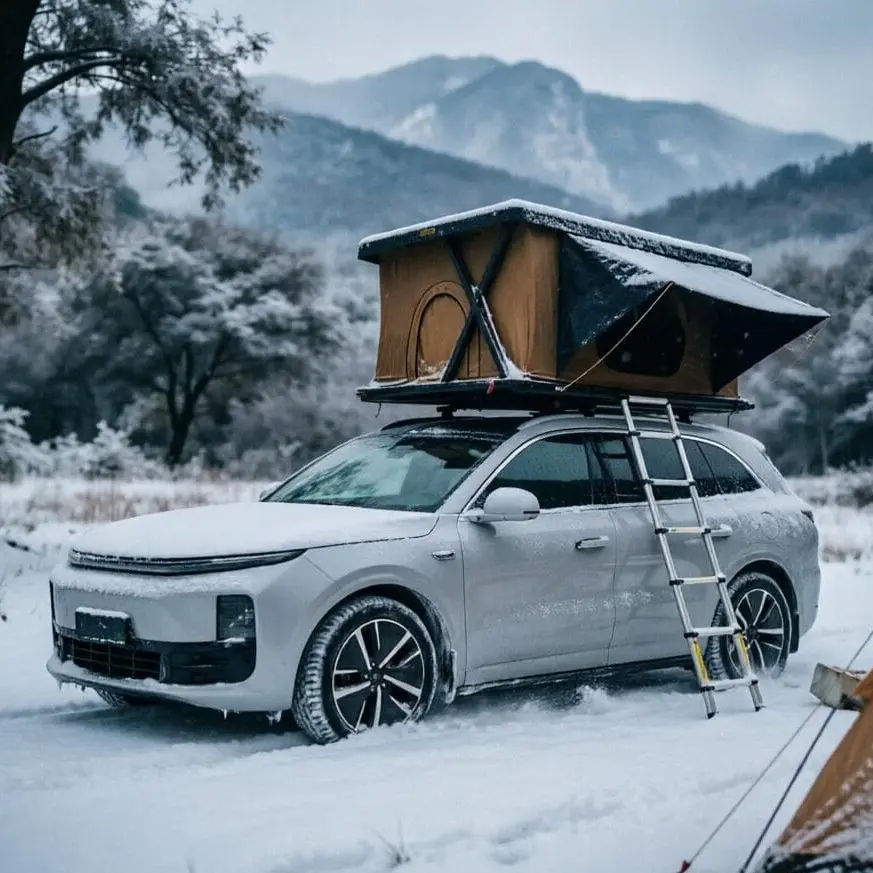
What Makes Rooftop Tents a Game-Changer?
A rooftop tent is a portable shelter designed to mount securely onto the roof of a vehicle—such as an SUV, truck, or van. Like traditional ground tents, they come in various models, sizes, colors, and price ranges. But unlike ground tents, they offer one distinct advantage: elevation.
While rooftop tents represent a departure from conventional camping setups, they have steadily gained traction within the camping community and are now considered essential gear for overlanders, road-trippers, and outdoor enthusiasts alike. Their surge in popularity is driven by a unique combination of comfort, convenience, and versatility that traditional camping simply cannot match.
Of course, like any gear, rooftop tents come with their own set of advantages and limitations. But for those who take the time to understand their features and specifications, the benefits far outweigh the drawbacks.
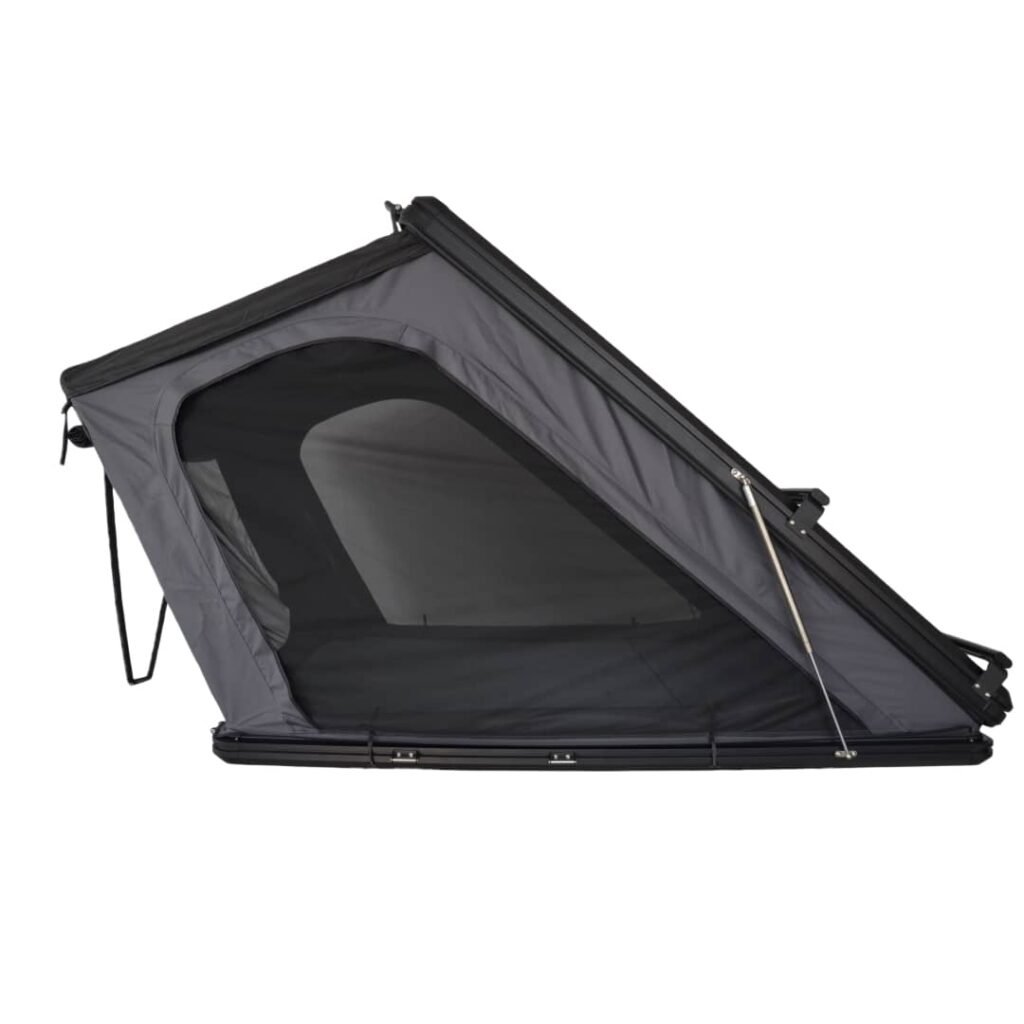
Rooftop Tent Weight Limits and Safety
One of the most frequently asked questions is: “How much weight can a rooftop tent hold?”
The answer depends on two key factors: the vehicle’s roof load capacity and the tent’s structural strength.
Dynamic vs. Static Load
- Dynamic load capacity refers to the maximum weight your vehicle’s roof can safely support while driving. This typically ranges from 75 kg to 100 kg (165–220 lbs) for most SUVs and trucks. This includes the weight of the tent itself plus any crossbars.
- Static load capacity refers to the weight the roof can support when the vehicle is parked. This is significantly higher—often 300 kg to 600 kg (660–1,320 lbs)—because the load is distributed across the vehicle’s frame and supported by the suspension.
Most rooftop tents weigh between 50 kg and 70 kg (110–155 lbs), which falls well within the dynamic limit of most vehicles. Once parked, the static capacity is more than sufficient to accommodate multiple occupants comfortably.
Safety Tips
- Always use high-quality crossbars rated for your vehicle and tent weight.
- Follow the manufacturer’s torque specifications during installation.
- Regularly inspect mounting hardware for tightness, especially before long trips.
- Choose tents from reputable brands that provide certified weight ratings (e.g., TÜV, SGS).
When properly installed, a rooftop tent is not only safe but also offers a more secure sleeping environment compared to ground camping.
Why Modern Campers Are Choosing Rooftop Tents
1. Unmatched Mobility for Road-Trippers
For frequent travelers and overlanders, the ability to move quickly from one location to another is essential. With a rooftop tent, there’s no need to scout for flat, debris-free ground. You simply park, pop up the tent, and you’re ready to sleep. Breaking camp is just as fast, allowing you to maximize time on the road.
2. Lightning-Fast Setup and Takedown
Setting up a rooftop tent typically takes less than five minutes. Unlike ground tents that require assembling poles, staking down guy lines, and clearing the ground, most rooftop tents feature hydraulic struts or folding designs that deploy with minimal effort. Many models even allow you to store bedding inside when closed, making setup at the next stop nearly instantaneous.
3. Camp Anywhere, Anytime
Traditional ground tents limit you to flat, level surfaces—often requiring designated campsites. With a rooftop tent, your options expand dramatically. As long as you can safely park, you can camp. Rocky terrain, sloped ground, or muddy areas are no longer obstacles.
4. A Truly Flat Sleeping Surface
A level sleeping surface is essential for a good night’s rest. Rooftop tents feature rigid bases made of aluminum or fiberglass, providing a consistently flat platform that eliminates the discomfort of rocks, roots, and uneven ground.
5. Unbeatable Views from Above
Elevation offers a unique vantage point. Whether you’re watching a sunrise over the mountains or stargazing from your sleeping bag, a rooftop tent provides views that ground tents simply can’t match. You’re also further from ground-level moisture and insects.
6. A Smart Alternative to RVs
If you’re looking for a significant upgrade from ground camping without the cost and maintenance of a full RV, a rooftop tent offers an ideal middle ground. With prices typically ranging from $1,000 to $4,000, it provides comfort, mobility, and flexibility at a fraction of the cost of a recreational vehicle.
7. Enhanced Safety and Peace of Mind
Being off the ground adds a layer of protection from wildlife, crawling insects, and unexpected weather conditions. Flooded tent sites, curious animals, and muddy ground become non-issues when you’re sleeping securely atop your vehicle.
Potential Drawbacks to Consider
1. Higher Initial Investment
Rooftop tents are a significant investment compared to ground tents. Entry-level models start around $1,000, while premium hard-shell models can exceed $4,000. Additional accessories such as awnings, annex rooms, and insulation liners can add to the total cost. However, for frequent campers, the durability and convenience often justify the expense.
2. The Climb Factor
The same elevation that offers better views and safety also requires climbing. Getting in and out—especially during the night—can be inconvenient for some users. It can also be challenging for those camping with pets, young children, or individuals with limited mobility.
Key Considerations Before Buying
Before purchasing a rooftop tent, take time to evaluate the following:
- Vehicle compatibility: Verify your vehicle’s dynamic roof load capacity and choose appropriate crossbars.
- Tent type: Decide between soft-shell (fold-out) and hard-shell (clamshell) designs based on your setup speed, aerodynamics, and storage preferences.
- Installation: Consider whether you’ll be removing the tent when not in use. Some setups require multiple people for installation.
- Budget: Factor in not only the tent but also crossbars, shipping, and any accessories you may want.
The more informed you are, the better equipped you’ll be to choose the right tent and enjoy a safe, comfortable experience.
Final Thoughts: Is a Rooftop Tent Right for You?
A rooftop tent is more than just a place to sleep—it’s an invitation to explore more freely, camp more comfortably, and wake up to better views. While it requires a larger upfront investment and a willingness to climb, the rewards in terms of convenience, safety, and overall experience make it a worthy upgrade for many outdoor enthusiasts.
Whether you’re a weekend warrior or a full-time overlander, understanding weight limits, safety considerations, and the trade-offs between tent types will help you make a confident choice. Once you’ve experienced your first night off the ground, you’ll likely wonder why you didn’t make the switch sooner.
For modern campers seeking freedom, comfort, and adventure, a rooftop tent isn’t just an accessory—it’s a must-have.
Disclaimer: Weight capacities and specifications vary by vehicle and tent model. Always consult your vehicle’s owner manual and tent manufacturer guidelines before installation. This article is for informational purposes only and does not constitute professional installation advice.